
Choosing Native Pond Plants for British Wildlife Ponds

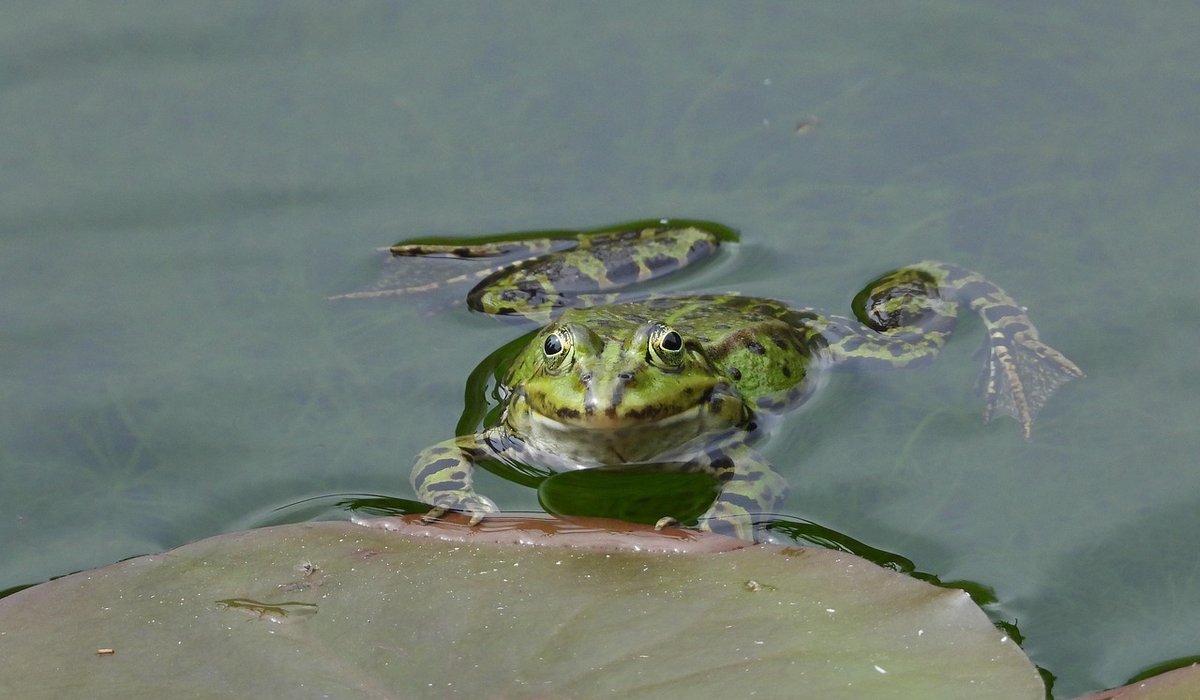
Start with natives and skip the thugs
A British garden pond planted with native species supports far more life than one filled with ornamental exotics. Our invertebrates evolved alongside our native plants, so beetles, caddis larvae, water boatmen and damselfly nymphs all find food, shelter and egg-laying sites on them. The flowers of water mint, purple loosestrife and marsh marigold are magnets for bees, hoverflies and the smaller dragonflies, and seed heads left standing into winter feed goldfinches and wrens.
There is also a strong practical reason to choose natives. A handful of non-native water plants are so vigorous that they have become a serious problem in British rivers and canals, and a few are now banned from sale in England and Wales: floating pennywort, water fern, parrot's feather, New Zealand pigmyweed, water primrose and curly waterweed. Even a fragment of these tipped into a ditch or a neighbour's pond can take root and spread. Never dump surplus pond plants in the wild — let them dry out on a hard surface and compost or bin them.
The planting layers of a British pond
Think of a pond as a series of zones running from the damp ground at the edge down to the deepest point. A well-planted pond has something in each of them, which keeps the water balanced and gives wildlife a choice of habitats.
- Oxygenators — submerged plants that live entirely underwater, rooted in baskets or floating free.
- Marginals — shallow-water plants on the shelf around the edge, usually rooting in 0–15cm of water.
- Floating and deep-water plants — lilies, frogbit and broad-leaved pondweed in the middle.
- Bog and damp-ground plants — outside the liner, in the permanently moist soil around the rim.
Oxygenators: the invisible workhorses
These do the quiet work. Hornwort (Ceratophyllum demersum) floats free and needs no basket at all, though it grows fast enough that you will be scooping out armfuls by midsummer. Spiked water milfoil (Myriophyllum spicatum) is tidier and roots readily into a basket, while water starwort (Callitriche species) copes with light shade and suits smaller ponds. Curled pondweed (Potamogeton crispus) and water crowfoot (Ranunculus aquatilis) are both good choices in shallower water.
Plant roughly one oxygenator per square metre, and be generous in a new pond, which will almost certainly turn green with algae in its first spring. Submerged plants compete with algae for nutrients and release oxygen in daylight. They also give smooth newts somewhere to fold their eggs into leaves and cover for tadpoles and sticklebacks. Canadian waterweed is a naturalised old acquaintance that spreads aggressively; leave it out of a small pond.
Marginals and the shallow shelf
This is where most of the visible interest sits, and it pays to grow four or five species rather than a solid block of one. Purple loosestrife (Lythrum salicaria) flowers for weeks and draws in bees. Marsh marigold (Caltha palustris) is one of the earliest nectar sources of the year, opening in March when little else is about. Water mint, water forget-me-not, brooklime, lesser spearwort, flowering rush, soft rush and ragged robin all settle in happily on the shelf.
Yellow flag iris is a fine native but a powerful grower, so keep it in a basket or it will march across the whole pond within a couple of seasons. Leave a patch of bare gravel between clumps: birds use it to bathe and frogs use it to haul themselves out.
Floating leaves and deep water
Shading the surface is the single most effective way to control blanketweed, so float-leaved plants earn their place. Aim to cover between a third and a half of the water, no more — fish and dragonflies both need open water and light.
Frogbit (Hydrocharis morsus-ranae) is a charming small native floater with white flowers, sinking to the bottom as dormant buds in winter. Broad-leaved pondweed (Potamogeton natans) works well in the middle of a medium pond. For lilies, the native white water lily (Nymphaea alba) is magnificent but needs a pond at least four metres across; in smaller ponds choose a compact cultivar and keep it in a basket at 30–60cm depth. Fringed water lily is native but needs ruthless annual thinning, so it is best avoided in confined spaces.
Baskets, compost and clear water
Plant in aquatic baskets — the mesh kind lined with hessian, or solid-sided ones with a couple of drainage holes. Use a low-nutrient aquatic compost: loam-based, with little or no added fertiliser. Ordinary multi-purpose compost is far too rich and will feed algae rather than your plants. Never use garden soil or peat-based mixes, which break down quickly and foul the water.
Top each basket with 2–3cm of washed gravel. That stops fish and blackbirds flicking compost into the water column, holds everything in place as you lower the basket, and keeps roots from escaping through the mesh. Lower baskets slowly and at an angle so trapped air escapes, then settle them into position — marginals on the shelf, lilies in the deeps.
Plant from late spring to early summer, when the water has warmed and roots establish quickly. If you are filling from a tap, let the water stand for a few days first, and top up with rainwater where you can, because it is softer and carries no chlorine or added nutrients. Feed sparingly, if at all; one dose of aquatic fertiliser tablets in the second season is usually plenty, and overfeeding is the quickest route to green water.
After that, maintenance is mostly a matter of thinning. Cut back oxygenators in high summer if they fill more than half the water, divide congested baskets every few years, and leave marginal stems standing over winter so invertebrates can shelter in the hollows. A pond that is lightly managed rather than scrubbed clean will reward you with frogs, newts, damselflies and a garden that hums from March onwards.

Joeby Ragpa
This template is so awesome. I didn’t expect so many features inside. E-commerce pages are very useful, you can launch your online store in few seconds. I will rate 5 stars.
ReplyAlexander Samokhin
This template is so awesome. I didn’t expect so many features inside. E-commerce pages are very useful, you can launch your online store in few seconds. I will rate 5 stars.
ReplyChris Root
This template is so awesome. I didn’t expect so many features inside. E-commerce pages are very useful, you can launch your online store in few seconds. I will rate 5 stars.
Reply