
Best Marginal Plants for a Sunny Garden Pond

Why marginal plants earn their keep
Marginals are the plants that sit in the shallow water and damp soil around the rim of a pond — the ones that bridge the gap between water and dry land. They soften the hard edge where liner meets lawn, hide the last few centimetres of plastic or butyl, and make a pond look as though it has always been there rather than dropped in last bank holiday weekend.
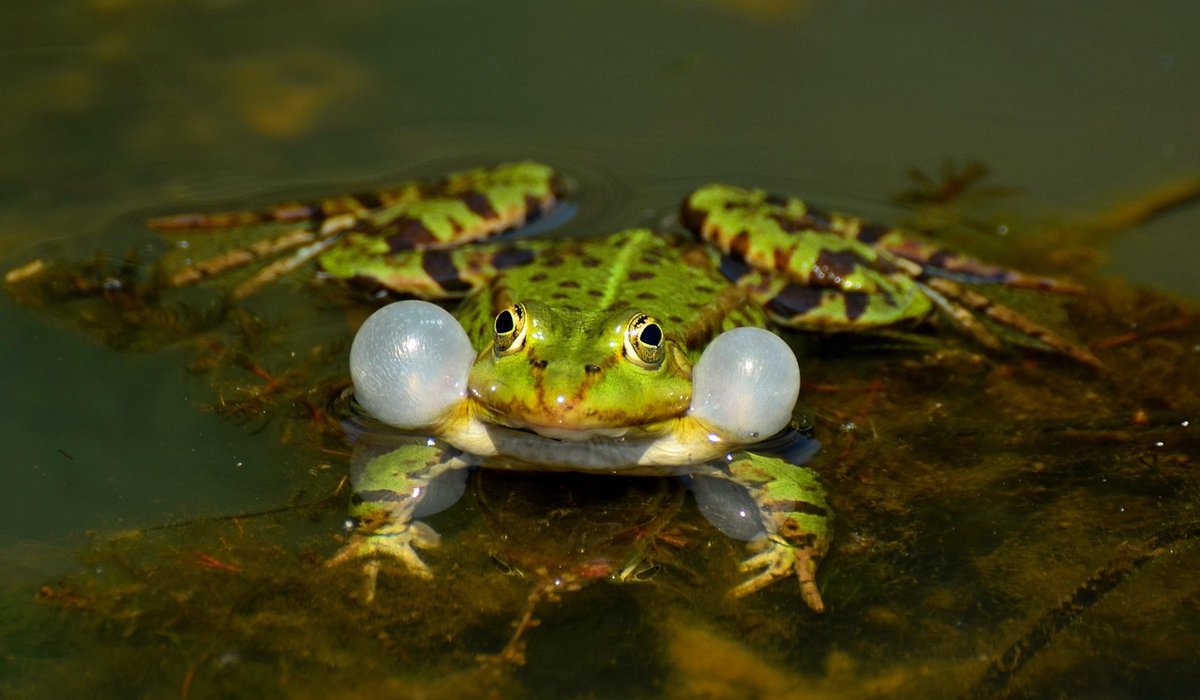
They are also the busiest part of the pond for wildlife. Frogs, toads and newts use the tangle of stems and leaves as shelter from predators and as shade on scorching afternoons, and the shallow water among the roots is where spawn and tadpoles stand the best chance of surviving. Bees, hoverflies and damselflies work the flowers all summer, and if you leave the seed heads standing into autumn, goldfinches and other small birds will pay you back.
There is a practical benefit too: marginals are hungry plants. They take up nitrogen and phosphate that would otherwise feed blanketweed and green water, which matters twice as much in a pond that gets full sun for most of the day.
Three reliable performers for a sun-baked edge
Purple loosestrife (Lythrum salicaria) is the big, generous one. From midsummer into September it throws up spikes of magenta flowers on stems that can reach 1.2m in a good year, and every one of them is mobbed by bees and butterflies. It is a British native and perfectly happy in full sun, but it is vigorous, so keep it in a basket and deadhead a few stems to encourage a second flush. Leave the rest to seed for the birds.
Marsh marigold (Caltha palustris) is the first proper colour of the year, opening its golden, buttercup-like flowers in March and April when there is very little else about. That early nectar is valuable to queen bumblebees just out of hibernation. It dies back to nothing by midsummer, which alarms people every July — mark the spot with a small label so you don't plant over it. On a sunny pond, keep its crown just below the surface or tuck it where taller plants shade its roots.
Water mint (Mentha aquatica) is the one people remember. Crush a leaf and the whole pond smells of mint; leave it alone and it produces soft lilac pom-pom flowers from July onwards that hoverflies and small tortoiseshells adore. It spreads by runners with real enthusiasm, so basket it firmly and divide it every couple of years.
More sun-lovers worth a place
- Yellow flag iris (Iris pseudacorus) — dramatic and native, but a thug in a small pond. Choose the variegated form if space is tight.
- Flowering rush (Butomus umbellatus) — umbels of pink flowers on stiff stems in late summer; neat and well behaved.
- Water forget-me-not (Myosotis scorpioides) — low, spreading, covered in tiny blue flowers from spring to autumn. Excellent cover for tadpoles.
- Bogbean (Menyanthes trifoliata) — fringed white flowers in spring and handsome three-lobed leaves. Spreads steadily, so give it room.
- Corkscrew rush (Juncus effusus f. spiralis) — structural, evergreen-ish and unfussy; brilliant for small or container ponds.
- Lesser spearwort (Ranunculus flammula) — small buttercup flowers on sprawling stems, happy in very shallow water.
Planting marginals properly
Use proper aquatic compost rather than garden soil or multi-purpose — it is low in nutrients, which is exactly what you want, because rich compost leaches into the water and feeds algae. Plant into baskets, then top the compost with a generous layer of washed gravel to stop it floating away and to stop birds and fish rooting about in it. Soak the basket thoroughly before you put it in; dry compost can be maddeningly slow to wet through once submerged.
Most marginals want their crown between 0 and 15cm (0–6in) below the surface. If you haven't built a planting shelf, stand baskets on bricks and adjust until the depth looks right. Group plants in threes rather than dotting them one by one around the edge — clumps look natural, singles look like a car park. And leave a clear stretch of open water so you can actually see the pond and the wildlife using it.
Keeping a sunny pond clear
Sun plus nutrients equals algae, every time. Aim for around 40–50% of the surface covered by floating leaves such as waterlilies or floating heart, but don't let marginals close over the whole pond — they will shade out the submerged oxygenators doing the quiet work below. Top up with rainwater from a butt rather than the tap, keep lawn fertiliser and runoff well away, and fish out fallen leaves promptly in autumn instead of letting them rot down.
Traditional barley straw is still worth trying in spring as it breaks down, though results vary. The reliable fixes are shade, low nutrients and patience.
Looking after marginals through the year
Divide and repot congested baskets every two to three years in early spring, using fresh aquatic compost. Deadhead purple loosestrife through summer to keep it flowering. In autumn, cut back anything that flops and rots, but leave a good proportion of stems and seed heads standing — they shelter insects over winter and give dragonfly larvae something to climb when they emerge.
If the pond freezes, float a ball on the surface to keep a hole open for gas exchange, and never smash the ice — the shock can harm amphibians resting below. Do that, and your sunny margin will be thick with frogsong by February.

Joeby Ragpa
This template is so awesome. I didn’t expect so many features inside. E-commerce pages are very useful, you can launch your online store in few seconds. I will rate 5 stars.
ReplyAlexander Samokhin
This template is so awesome. I didn’t expect so many features inside. E-commerce pages are very useful, you can launch your online store in few seconds. I will rate 5 stars.
ReplyChris Root
This template is so awesome. I didn’t expect so many features inside. E-commerce pages are very useful, you can launch your online store in few seconds. I will rate 5 stars.
Reply