
How to Create a Wildlife Pond in a Small Garden

Small Ponds, Big Benefit
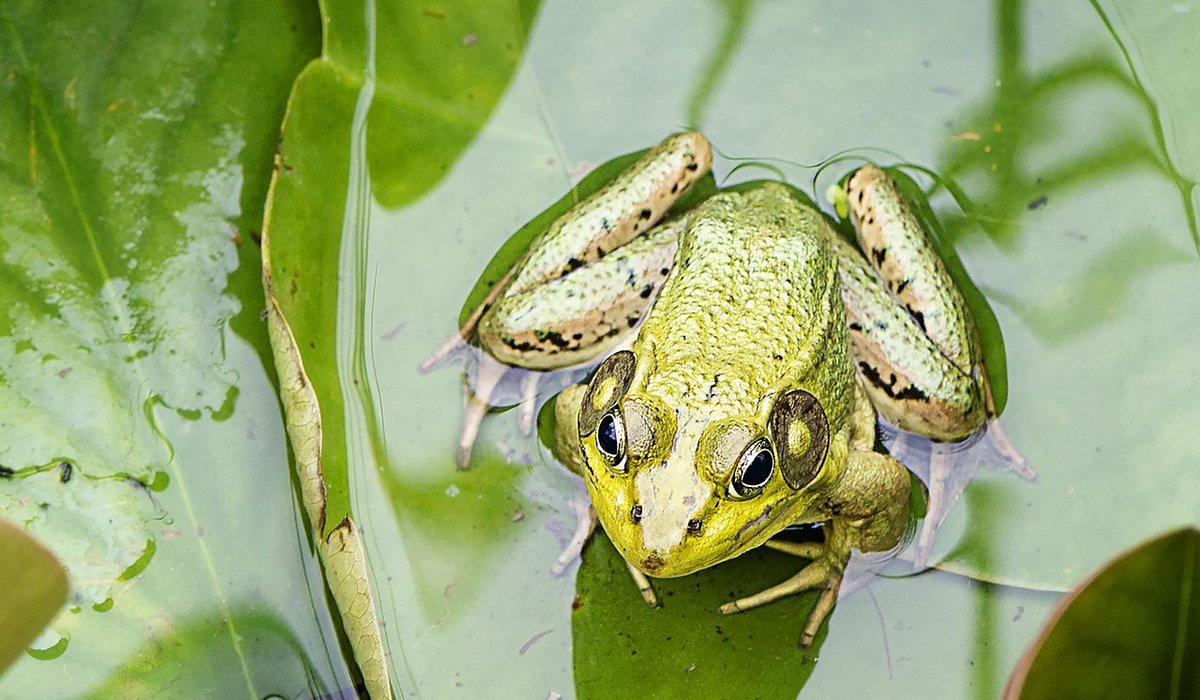
You do not need an acre of water to make a real difference. A pond of two metres by one and a half metres, dug into a corner of a modest garden, will pull in wildlife from a surprising distance. Frogs, smooth and palmate newts, damselflies, dragonflies, pond skaters, water boatmen and a whole cast of beetles treat even a small puddle as prime habitat. In a country where we have lost the great majority of our natural ponds over the past century, a garden pool is not a novelty — it is a genuine refuge.
The trick is to build it so that as many different creatures as possible can use it. That means variety: shallow edges for spawning and basking, deeper water for overwintering, plenty of native plants, and safe routes in and out. Get those four things right and the rest largely takes care of itself.
Choosing the Right Spot
Aim for somewhere with a good few hours of sun each day, ideally four to six. Too much shade and your plants sulk, the water stays cold, and dragonflies are reluctant to move in. Too much full sun in a small pond can encourage blanket weed, so a little dappled shade in the afternoon is no bad thing.
- Keep it away from the drip line of trees and large shrubs. Fallen leaves rot down and turn the water sour.
- Avoid the lowest point of the garden, where rainwater carries in soil, fertiliser and weedkiller from surrounding beds.
- Leave a gap in any boundary fence or hedge nearby — amphibians travel along damp corridors and will find the pond more easily.
- Choose ground that is level rather than on a slope, or you will spend the whole build compensating.
Spring and early autumn are the best times to dig. The soil is workable, and there is time for plants to settle before the extremes of midwinter or high summer.
Shelves and a Deep Centre
The classic mistake in a small garden is digging a uniform bowl. Wildlife needs layers, exactly as it does in a natural pond. Plan for a deep section of around 60 to 75 centimetres in the middle — deep enough that the pond does not freeze solid in a hard winter, which is where frogs and newts will sit out the coldest weeks in the mud.
Around that, create one or two marginal shelves at about 20 to 30 centimetres deep and 30 to 45 centimetres wide. This is where your bog and marginal plants will sit, and where a great deal of the action happens: dragonfly nymphs hunting, tadpoles grazing, and insects climbing in and out of the water. Vary the shelf depth if you can — one shallow shelf at 10 centimetres and another at 25 centimetres will suit a wider range of plants.
Line the hole with a good-quality butyl liner over a layer of sand and an old carpet or commercial underlay. If you are using a rigid preformed liner instead, check it has built-in shelves; many cheap ones are far too steep-sided for wildlife.
Getting Wildlife In and Out Safely
This is the part most people overlook, and it costs lives. Frogs, hedgehogs, voles and even the occasional thirsty cat all end up in garden ponds, and smooth vertical liner is a death trap. Give at least one side of your pond a gentle ramp, no steeper than about 45 degrees, running from the water up to dry ground.
A few practical ways to do it:
- Build a pebble beach at one end — a shallow slope of washed stones under a couple of centimetres of water, gradually rising to dry gravel. Birds will use it to bathe and drink.
- Stack flat stones into a staircase at another point, each one just below the surface, so creatures can climb out.
- Lay a piece of rough, untreated timber or a roll of hessian over a steep edge as an escape ramp, weighted down with a stone.
- Leave the grass around at least one side of the pond a little long. Amphibians need damp cover the moment they leave the water.
Add a log pile and a small stone heap within a metre or two of the edge. These are summer refuges for frogs and overwintering spots for newts.
Planting with Native Species
Use native British plants and avoid the non-natives that escape and cause trouble. Canadian pondweed and New Zealand pigmyweed are both best left at the garden centre.
- Marginals: marsh marigold, water forget-me-not, brooklime, lesser spearwort, water mint and ragged robin. All are happy on the shallow shelves.
- Emergents: yellow flag iris is beautiful but vigorous — keep it in a basket in a larger pond, or leave it out of a small one.
- Submerged oxygenators: hornwort and water starwort. These provide cover for tadpoles and egg-laying sites for newts.
- Floating: a single small water lily at most, and only if the pond is at least a metre across. Frogbit is a gentler alternative.
Plant in aquatic baskets filled with a low-nutrient loam, topped with gravel to stop the soil clouding the water. Do not use ordinary garden compost — it is far too rich and will feed algae rather than your plants.
Filling Up and the First Year
Fill the pond with rainwater from a butt if you can. Tap water is fine in an emergency, but it carries nutrients and chlorine, and a pond filled entirely from the mains often blooms with algae in its first summer. Leave the water to stand for a few days before planting if you have no alternative.
Then do nothing, which is harder than it sounds. New ponds look murky and green for the first few months. This is normal. As your plants establish and shade the surface, the water will clear on its own. Resist the urge to add a pump, a filter or fish — fish eat tadpoles and newt larvae, and they turn clear water into soup. Do not transfer frogspawn from another pond either, as you risk moving disease. Frogs, newts and insects will find you within a season or two, often quicker.
In autumn, net out fallen leaves before they sink, and leave the pond margins untidy over winter. Cut back excessive plant growth in late summer rather than autumn, and leave the cuttings on the side for a day so anything living can crawl back in. With a shallow shelf, a deep centre, native plants and a gentle exit, a small garden pond becomes one of the most productive habitats you will ever make.

Joeby Ragpa
This template is so awesome. I didn’t expect so many features inside. E-commerce pages are very useful, you can launch your online store in few seconds. I will rate 5 stars.
ReplyAlexander Samokhin
This template is so awesome. I didn’t expect so many features inside. E-commerce pages are very useful, you can launch your online store in few seconds. I will rate 5 stars.
ReplyChris Root
This template is so awesome. I didn’t expect so many features inside. E-commerce pages are very useful, you can launch your online store in few seconds. I will rate 5 stars.
Reply