
Summer Algae Control in Small Wildlife Ponds

Why Small Ponds Turn Green in Hot Weather
By mid-July, a pond that looked like bottled water in May can resemble pea soup. Nothing has gone wrong. Algae are simply the fastest responders to the three things summer delivers in bulk: light, warmth and nutrients. In a small pond, especially one under 2 metres across, there is nowhere for those nutrients to go. Rainwater evaporates, topping up concentrates whatever is already dissolved in the water, and the shallows heat up fast.
It helps to know which algae you are dealing with. Green water is made of microscopic algae suspended in the water column. Blanketweed, also called silkweed, forms the long, stringy mats you can lift out with a stick. Duckweed is not an alga at all, but a tiny floating plant that thrives on the same surplus nutrients. Each needs a slightly different response, but the underlying fix is the same: less light, fewer nutrients, and patience.
Shade the Water with Plants
Sunlight is the easiest thing to reduce. Aim for roughly a third to a half of the surface covered by mid-summer, leaving open water for frogs, birds and dragonflies to use. Think of it as dappling, not blanketing.
- Floating plants such as frogbit and water starwort sit on the surface and shade directly beneath themselves. Frogbit is neat and easy to thin out with a net when it spreads too far.
- Submerged oxygenators like hornwort and curled pondweed compete with algae for nutrients and shelter tadpoles, but they do little to block light, so use them alongside floaters.
- Dwarf water lilies suit small ponds far better than the native white lily, which will swamp anything under a few square metres. A single dwarf lily can cover half a small pond within two seasons.
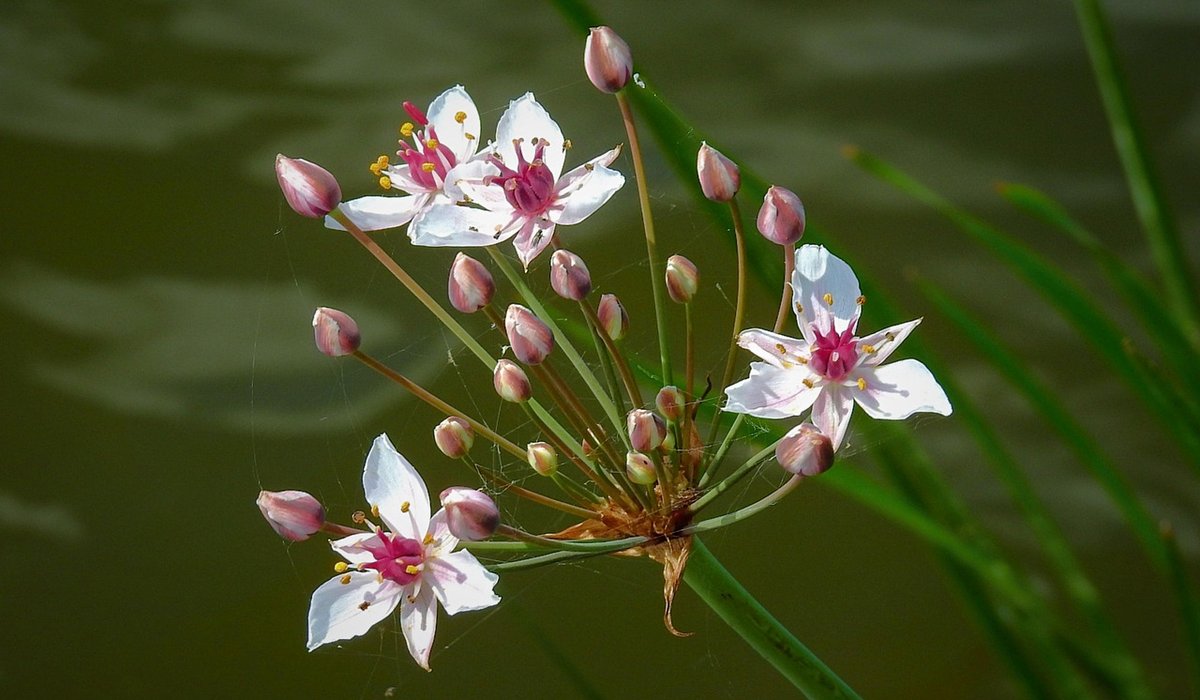
- Marginals — marsh marigold, yellow flag iris, purple loosestrife — draw nutrients from the water through their roots and cast useful afternoon shade from the south side.
Plant in baskets of plain, low-nutrient aquatic compost. Ordinary garden compost or multipurpose potting mix will leach phosphate straight into the water and make the problem worse.
Keep Nutrients Out of the Water
Algae cannot bloom without food, and in most small garden ponds the food arrives by accident. Walk the perimeter with a critical eye.
- Fertiliser and weedkiller. Lawn feed applied near the pond edge, or on a slope draining towards it, will find its way in. Leave a buffer strip of rough grass at least a metre wide and never feed the lawn before rain is forecast.
- Fish food. If you keep fish in a wildlife pond, feed only what they clear in a few minutes, once a day at most. In a true wildlife pond, goldfish are best avoided altogether — they eat tadpoles and produce a great deal of waste.
- Fallen leaves. Net the pond in autumn, or at least scoop out leaves before they sink and rot. A single season of rotting leaves can feed algae for the following three summers.
- Tap water. Topping up from the hose adds nitrate and phosphate. Use rainwater from a butt instead, and top up little and often rather than in one go.
- Dying plant material. Cut back and remove excess growth rather than letting it collapse into the water in late summer.
Barley Straw, Done Properly
Barley straw is a well-established British remedy and it does help, but only if you use it correctly. It does not kill algae. As the straw breaks down in oxygen-rich water, it releases compounds that suppress new algal growth, so it works best as a preventive measure rather than a rescue.
Add it in spring, before the water warms. Roughly 25 to 50 grams per square metre of surface area is plenty. Loose the straw into a mesh bag with a stone for weight and sink it near the surface where water moves, not buried in the silt where it will go anaerobic and smell foul. Expect four to six weeks before you notice any effect, and replace it after about six months. Keep a small solar pump or airstone running in hot spells, because the straw needs moving, oxygenated water to work. If the pond is very small and stagnant, barley straw will do little and may make things worse.
Removing Algae by Hand, Without Casualties
For blanketweed, nothing beats a twirl. Wind the strands around a cane or a dedicated pond rake, lift, and repeat. Do this in the cool of the morning when dissolved oxygen is at its highest, and never strip the pond bare in one session — leave at least some cover for the creatures living in it.
The important bit is what you do with the removed algae. Pile it on the pond edge on a sheet or in a shallow tray and leave it there for a few hours, or overnight in mild weather. Water boatmen, damselfly larvae, newts and even the odd small frog will crawl back into the water. Only then compost it. Duckweed can be skimmed with a fine net, but never tip it onto a border or into a drain — it spreads astonishingly quickly.
Avoid algicides entirely. They strip oxygen from the water as the algae die, which can kill fish and amphibians within hours, and the nutrients simply return to the pond to fuel the next bloom.
A Balanced Pond Is Never Sterile
Some algae belong in a healthy pond. They oxygenate the water, feed tadpoles and provide cover for invertebrates. The goal is not a crystal-clear ornamental pool but a pond where algae stay in the background. Establish shade, cut the nutrient supply, use barley straw early, and lift out what does appear by hand.
Green water in a new pond often clears on its own after a few weeks as daphnia multiply and graze it down. Give a young pond a full season before you judge it. Established ponds that suddenly turn green usually have a cause worth finding — a spill of fertiliser, a build-up of leaves, or a hot, still fortnight with no rain. Fix the cause rather than fighting the symptom, and the wildlife will look after the rest.

Joeby Ragpa
This template is so awesome. I didn’t expect so many features inside. E-commerce pages are very useful, you can launch your online store in few seconds. I will rate 5 stars.
ReplyAlexander Samokhin
This template is so awesome. I didn’t expect so many features inside. E-commerce pages are very useful, you can launch your online store in few seconds. I will rate 5 stars.
ReplyChris Root
This template is so awesome. I didn’t expect so many features inside. E-commerce pages are very useful, you can launch your online store in few seconds. I will rate 5 stars.
Reply