
Making a Mini Pond in a Container

Small water, big value
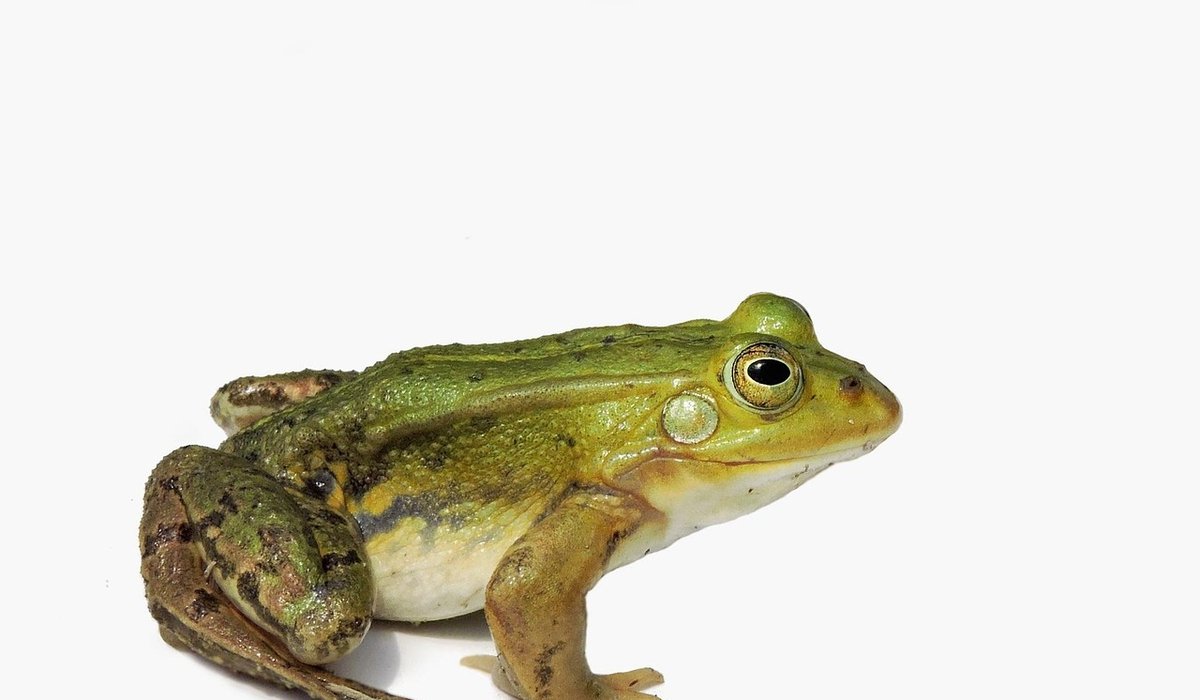
A container pond is one of the kindest things you can do for British wildlife when space is short. You do not need a garden, a spade or a weekend of digging. A glazed pot, a half barrel, an old sink or a sturdy trug on a balcony can hold enough water to bring in frogs, smooth newts, damselflies, water boatmen and pond skaters, and to give thirsty hedgehogs, bees and hoverflies somewhere safe to drink. In towns and villages alike, small pools act as stepping stones between larger ponds and streams, and there is never a shortage of creatures looking for one.
The trick is to build it for wildlife rather than for decoration: decent depth, native plants, an easy way out for anything that falls in, and rainwater rather than tap water.
Choosing a container and siting it well
Look for something at least 40cm across and 30–40cm deep, with no drainage holes. Bigger really is easier, because the water stays cooler and heats up more slowly. A half barrel, a glazed planter, a stone sink or a galvanised trough all work well. Choose a wide, deep container over a tall, narrow one, which offers little surface area for oxygen to dissolve into the water.
Siting matters as much as the container. Pick a spot with sun for part of the day but shade from the fiercest midday heat; a little morning sun and afternoon shade suits most ponds. Too much sun encourages green algae, while too much shade suppresses flowering plants and the insects they feed. Keep it clear of deciduous trees so autumn leaves do not fill it, and away from downpipes that could flood it in a storm. Stand it on level, sturdy ground, since the weight of water is considerable.
Fill it with rainwater, never tap water
Tap water carries nutrients that feed algae, along with traces of chlorine or chloramine that are harsh on aquatic life. Rainwater from a water butt is ideal and free. If you have no butt, catch a few buckets from a downpipe during the next shower and store them until you need them. Chlorine will disperse if water is left to stand, but chloramine will not, which is another good reason to avoid the tap altogether.
Fill to about 5cm below the rim so heavy rain has somewhere to go, then leave the container to settle for a few days before planting.
Plants that clean the water and feed the wildlife
Native plants do the heavy lifting. Oxygenators live below the surface and keep the water clear by competing with algae for nutrients. Around the edges, marginal plants provide cover, shelter for emerging insects and nectar for pollinators. Reliable choices for a small container include:
- Hornwort, water starwort and water crowfoot as submerged oxygenators
- Frogbit or water soldier floating at the surface, where damselflies lay eggs
- Marsh marigold and water mint for early nectar and bee-friendly flowers
- Lesser spearwort and ragged robin for a touch of colour in a small space
Plant marginals in small baskets of aquatic compost topped with grit, which stops the compost clouding the water. Keep floating plants in check so they do not smother the surface. Steer clear of vigorous or invasive plants such as parrot's feather, floating pennywort and water fern; these are trouble in the wild and a nuisance in a container.
The stone ramp is the detail that saves lives
This is the single most important piece of kit in the whole project. Frogs, hedgehogs, beetles and tired bees all end up in water, and a steep-sided container is a death trap without a way out. Build a ramp from stones, stacked bricks or a piece of weathered wood, sloping gently from the bottom of the container up and over the rim. It must reach the water surface so a soaked creature can haul itself out, and it needs enough texture for wet feet to grip.
Add a shallow shelf of pebbles at one end, where birds can bathe and insects can drink without drowning, and set a flat stone or two at the rim as a landing pad.
A habitat that looks after itself
Once planted, a mini pond asks very little of you. Resist the urge to add fish, which eat tadpoles and insect larvae and quickly foul a small volume of water. Never move frogspawn or plants in from another pond, as you risk spreading disease and invasive species. Let wildlife find it instead; it usually does within a season or two.
Top up with rainwater through summer, and scoop out fallen leaves in autumn before they rot and feed the algae. In winter, do not smash the ice, as the shock waves can harm frogs resting in the mud. Float a ball to keep a gap open, or rest a pan of hot water on the surface until a hole melts through for gases to escape. Leave a heap of leaves and stones nearby for amphibians to shelter in.
Come spring, thin the oxygenators by hand and trim back the marginals. You will be left with a healthy, self-sustaining little wetland, busy with life and small enough for the smallest balcony.

Joeby Ragpa
This template is so awesome. I didn’t expect so many features inside. E-commerce pages are very useful, you can launch your online store in few seconds. I will rate 5 stars.
ReplyAlexander Samokhin
This template is so awesome. I didn’t expect so many features inside. E-commerce pages are very useful, you can launch your online store in few seconds. I will rate 5 stars.
ReplyChris Root
This template is so awesome. I didn’t expect so many features inside. E-commerce pages are very useful, you can launch your online store in few seconds. I will rate 5 stars.
Reply