
Planting a Wildflower Meadow Around a Pond

Why a Meadow Works at the Water’s Edge
A garden pond ringed by close-mown lawn can look tidy, but it is often a poor place for wildlife. There is little shelter for emerging dragonflies, no seed heads for finches, and few flowers to feed bees. A wildflower meadow changes that. It softens the line between water and garden, hides the pond liner, and creates a living corridor for damp-loving plants and creatures.
The best pond-edge meadow is not a rough patch left to its own devices. It is a designed habitat: native flowers suited to moisture, a manageable grassy matrix, and mown paths that let you enjoy the water without trampling the planting. Get the balance right and the meadow will frame the pond beautifully while asking for little more than an annual cut.
Choosing Native Seed for Damp Ground
Start with the soil and light you have. Most garden ponds sit in ground that stays moist for part of the year, and the strip within a metre or two of the water is often wetter still. Choose a damp meadow or wetland edge mix rather than a general-purpose wildflower mix, which will contain plants that sulk in wet soil.
Look for native grasses such as tufted hairgrass, crested dog’s-tail, meadow foxtail and sweet vernal grass, with wildflowers that enjoy a damp root run. A good mix might include:
- Ragged robin – pink flowers on wiry stems, loved by bees.
- Meadowsweet – frothy cream heads with a sweet almond scent.
- Purple loosestrife – tall magenta spikes for long-tongued bees.
- Marsh marigold – golden cups in early spring, ideal at the water’s edge.
- Water mint and gypsywort – aromatic, nectar-rich plants for wet ground.
- Devil’s-bit scabious – blue pincushions that flower late and feed bumblebees.
If your soil is richer or the meadow is on the drier side, add ox-eye daisy, meadow buttercup and betony. Where grass grows strongly, include yellow rattle. This native annual parasitises grass roots, thinning the sward and giving wildflowers room to establish. Sow it in autumn and let it set seed before cutting.
Preparing the Ground Without Feeding the Weeds
Wildflowers want poor, open ground. Do not add compost, manure or fertiliser – that only encourages lush grass and thuggish weeds. If the soil is very rich, skim off the top 5–10 cm of turf and topsoil before sowing. Around a pond, keep machinery and heavy footprints away from the liner edge, and leave an untouched buffer of at least 30 cm beside the water.
Clear existing vegetation by hand or strimmer, then dig or lightly rotavate the top few centimetres. Leave the ground to settle for two or three weeks, let weed seeds germinate, then hoe or pull them out. Repeat once more if you can. This stale seedbed method saves months of weeding later.
Sowing and First-Year Care
Sow in late August to October, or in March to April if the ground is workable. Autumn sowing gives better results because seeds experience natural winter chilling. Mix the seed with dry sand or fine compost to help you see where it lands – one part seed to ten parts sand works well. Broadcast evenly at 1–2 g per square metre for a wildflower-rich mix.
Lightly rake the seed in, then firm the soil by walking over it. Water gently if the weather turns dry. In the first year, cut the meadow to 5–7 cm whenever weeds such as thistle, dock or fat hen start to flower. Remove all cuttings – leaving them adds nutrients and defeats the object. By autumn, the sown flowers should be visible and the meadow ready to settle into its own rhythm.
Mowing Paths and Managing the Meadow
A meadow without paths is a habitat you cannot easily enjoy. Mow winding paths 60–90 cm wide through the planting, using a mower or strimmer set to about 5 cm. Cut them every three to four weeks through spring and summer. A path that curves towards a sitting spot beside the pond will become the best place in the garden.
Manage the main meadow with one late cut a year. Wait until late July or August, after the flowers have set seed, then cut to 5–10 cm and remove the hay. If you want winter cover for insects and small mammals, cut half the meadow one year and the other half the next, or leave a few tussocks uncut until early spring. Never cut the whole meadow in one go in high summer – staggered cutting keeps nectar and shelter available for longer.
Keep the pond free of fertiliser, pesticide and herbicide runoff. A no-spray buffer of at least 2 metres around the water protects frogs, newts and the insects that spend their larval stages there.
Wildlife You Can Expect
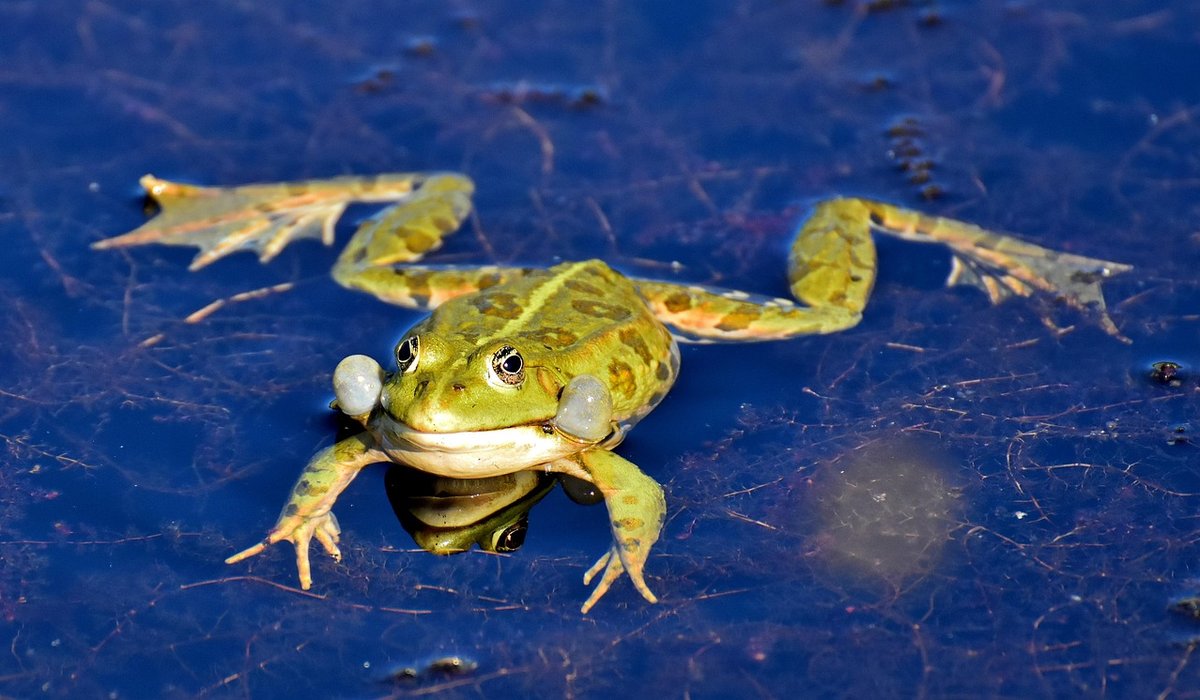
The first visitors are usually bees and hoverflies, drawn to ragged robin, water mint and purple loosestrife. Damselflies and dragonflies patrol the meadow and use tall stems as perching posts. Frogs, toads and newts shelter in damp tussocks and move between pond and meadow on wet evenings. Grass snakes may hunt amphibians in longer grass, while seed heads feed goldfinches through autumn and winter.
At dusk, bats hunt insects over the water and along the meadow edge. If you leave hollow stems and undisturbed leaf litter, solitary bees and overwintering insects will find homes too. The result is a pond that feels less like a feature and more like a small nature reserve – beautiful, useful and alive with the changing seasons.

Joeby Ragpa
This template is so awesome. I didn’t expect so many features inside. E-commerce pages are very useful, you can launch your online store in few seconds. I will rate 5 stars.
ReplyAlexander Samokhin
This template is so awesome. I didn’t expect so many features inside. E-commerce pages are very useful, you can launch your online store in few seconds. I will rate 5 stars.
ReplyChris Root
This template is so awesome. I didn’t expect so many features inside. E-commerce pages are very useful, you can launch your online store in few seconds. I will rate 5 stars.
Reply