
How to Spot Common British Pond Insects

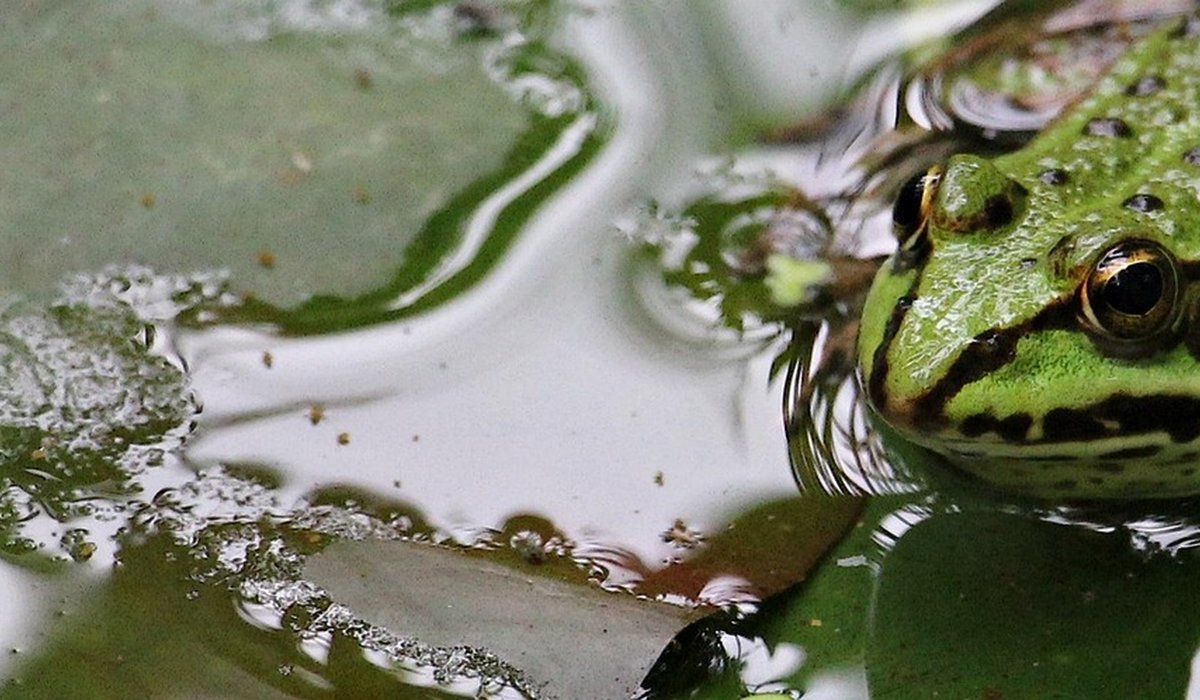
There is something deeply satisfying about peering into a garden pond on a warm morning. The water is clear, the plants are stirring, and a whole miniature world is going about its business. Learning to spot the insects that live there turns a pleasant pastime into a genuine survey. You do not need expensive kit or a degree in entomology. A white plastic tray, a spoon, a magnifying glass and a little patience will do.
Start with a Simple Survey Kit
Before you begin, think about how you will look. A white tray is essential because it gives a plain background against which dark insects stand out. Use a small kitchen spoon or a dedicated pond-dipping net to scoop gently from the surface, from among the weed, and from the bottom silt. Never tip your catch back from a height; lower the tray to the water and let the insects swim out. A hand lens or a magnifying glass helps with the smaller characters. Wear wellies, move slowly, and avoid casting a shadow over the water, which spooks the more sensitive species.
Pond Skaters: The Surface Skimmers
Pond skaters are often the first insects you notice. They are slender, long-legged and built for life on the surface film. Watch for a jerky, gliding motion as they row themselves forward with their middle legs. Their short front legs are used for grabbing prey, and their hind legs steer. In the UK, the common pond skater (Gerris lacustris) is widespread. Look for a dark body with a pale, V-shaped mark on the back. They gather in groups where the water is calm, often near overhanging plants. If you disturb one, it will skate quickly to safety, leaving a tiny wake.
Water Boatmen and Backswimmers: Telling Them Apart
These two are easily confused, but a moment's observation sorts them out. Water boatmen (Corixa species) swim the right way up. They have oar-like hind legs fringed with hairs, and they move in a steady, rowing motion. Their bodies are flattened and often patterned in brown and black. Backswimmers (Notonecta species), by contrast, swim upside down. They look pale underneath and dark on top, and they have a bold, keeled shape. Their hind legs are also fringed, but they row with a more powerful, darting stroke. Backswimmers can deliver a sharp nip if handled carelessly, so use a spoon rather than your fingers.
Diving Beetles: Armoured Underwater Predators
Diving beetles are the tank-like characters of the pond. The great diving beetle (Dytiscus marginalis) can reach 3 cm or more, with a smooth, olive-brown body edged in yellow. Look for the air bubble they carry under their wing cases when they dive. They are strong swimmers, using their hind legs like paddles, and they hunt tadpoles, small fish and other insects. Smaller species, such as the lesser diving beetle (Acilius sulcatus), are just as fascinating. Their larvae, known as water tigers, are even more voracious. They have sickle-shaped jaws and a segmented body, and they lurk among the weeds waiting to ambush prey.
Dragonfly and Damselfly Larvae: The Aliens in the Weed
Dragonfly and damselfly larvae are insects, though they look more like miniature monsters. They have hinged, extendable jaws that shoot out to catch prey. Dragonfly larvae are stout and usually mottled brown or green, while damselfly larvae are slender with three leaf-like tails (gills) at the rear. You will find them clinging to submerged stems or crawling over the bottom. When they are ready to emerge, they climb up a plant stem and split their skin, leaving behind a hollow case called an exuvia. Finding one of these is a sure sign that your pond is supporting a full life cycle.
Recording What You Find
Keeping a simple record makes your pond dipping more rewarding. Note the date, the weather and the time of day. Write down what you saw, where in the pond you found it, and how it behaved. A quick sketch or a photograph on your phone can help with later identification. Over a season, you will build a picture of which insects appear when. You might notice pond skaters in spring, diving beetles in summer and dragonfly larvae throughout the warmer months. This kind of watching is citizen science at its most enjoyable, and it costs nothing but your attention.
Your pond is a habitat, not just a water feature. Every insect you spot is a clue to its health. So next time you are by the water's edge, take five minutes to look closely. You will be surprised by how much is going on.

Joeby Ragpa
This template is so awesome. I didn’t expect so many features inside. E-commerce pages are very useful, you can launch your online store in few seconds. I will rate 5 stars.
ReplyAlexander Samokhin
This template is so awesome. I didn’t expect so many features inside. E-commerce pages are very useful, you can launch your online store in few seconds. I will rate 5 stars.
ReplyChris Root
This template is so awesome. I didn’t expect so many features inside. E-commerce pages are very useful, you can launch your online store in few seconds. I will rate 5 stars.
Reply