
The Real Odds: What Casino Games Don't Tell You

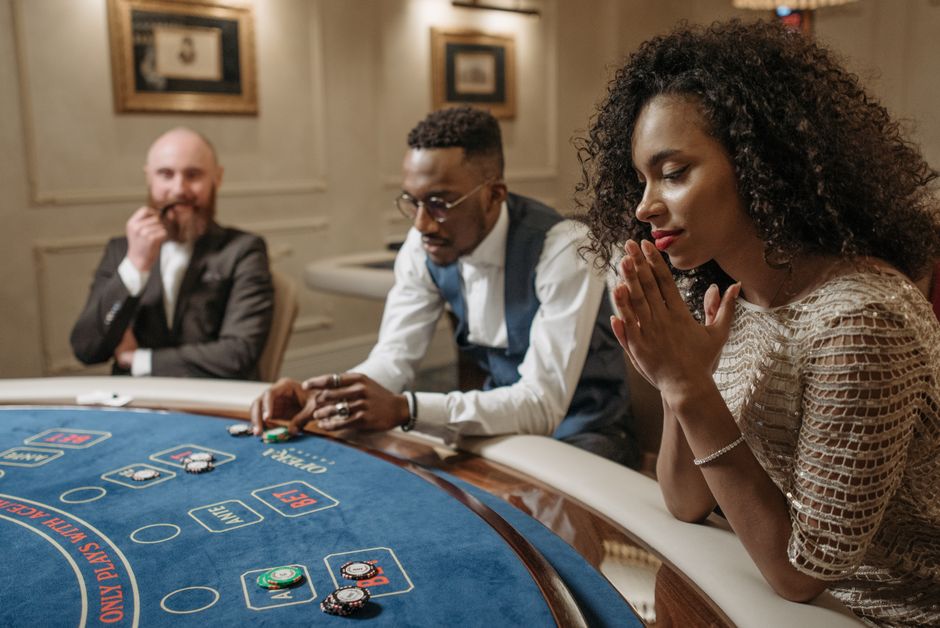
You sit down at a blackjack table in Las Vegas. The dealer shuffles, you place a $20 bet, and you get a 10 and a 6. The dealer shows a 7. You hit, bust, and lose. Was that bad luck, or did the house edge just quietly eat your bankroll? Most players never ask. They chase the next hand, the next spin, the next river card. But the difference between a casual gambler and a smart one isn't luck—it's understanding the math behind the games, the psychology of the floor, and the specific traps that separate a fun night out from a slow bleed. This isn't about winning every time. It's about knowing exactly what you're up against before you put a single chip down.
The House Edge Isn't a Suggestion—It's a Signature
Every casino game has a built-in mathematical advantage for the house. That's not a scam; it's the business model. But the size of that edge varies wildly, and choosing the right game can mean the difference between losing 0.5% of your money per hour or 15%. Take blackjack. With basic strategy—a chart that tells you exactly when to hit, stand, double, or split—the house edge can drop to around 0.5%. That means for every $100 you wager, you lose about 50 cents on average. Compare that to American roulette, where the double zero (00) pushes the house edge to 5.26%. Or slot machines, which often carry edges between 2% and 10%, depending on the machine and jurisdiction. Video poker, specifically Jacks or Better with a full-pay 9/6 schedule, can get as low as 0.46% with perfect play. The lesson? If you're going to gamble, pick games where your money lasts longer. That doesn't guarantee a win, but it gives you more time to enjoy the ride.
Slots: Where Variance Is King and Myths Die Hard
Walk through any casino floor and the slots are loudest, brightest, and busiest. They're also the most misunderstood. Here's the truth: modern slot machines use random number generators (RNGs) that cycle through thousands of outcomes per second. The result of your spin is determined the moment you press the button—not when the reels stop. There's no 'hot' or 'cold' machine. A machine that just paid a jackpot is no less likely to pay another one immediately. But that doesn't mean all slots are created equal.
- Volatility matters more than RTP. A slot with 96% return-to-player (RTP) might pay small wins frequently (low volatility) or rare massive wins (high volatility). If you have a $100 bankroll, a high-volatility slot could drain you in 20 spins. A low-volatility game might keep you playing for hours.
- Progressive jackpots are a separate bet. The million-dollar prize is funded by a tiny percentage of every wager. Your base game odds don't improve just because the jackpot grows. Only play progressives if you're comfortable with the lower base-game RTP.
- Hit frequency isn't posted. Two slots can have identical RTP but one pays every 5 spins and the other every 50. Casinos rarely advertise this, so test small before committing.
My rule of thumb: never play a slot you don't understand. If you can't find the RTP (often in the help menu), walk away.
Poker: The Only Game Where You Play the Players
Poker is different. You're not betting against the house—you're betting against other people. The casino takes a rake (a small percentage of each pot), but the edge isn't fixed. That means a skilled player can consistently win. The key isn't memorizing hand rankings; it's understanding position, pot odds, and player tendencies. For example, in Texas Hold'em, acting last (on the button) is a massive advantage because you see what everyone does before you decide. A player who plays tight-aggressive from late position will outperform a loose-passive player over time. But here's the trap: online poker has made it easy to multi-table 12 games at once, which sounds efficient but often leads to robotic play and missed reads. Live poker gives you physical tells—a shaking hand, a sudden change in breathing, a rehearsed speech. If you're serious about poker, pick one format and master it. Don't chase every tournament and cash game at once. And bankroll management is non-negotiable: never buy into a game with more than 5% of your total poker funds. That way, a bad beat doesn't wipe you out. สล็อต is a solid starting point for anyone new to this.
Betting: The Line Is a Living Thing
Sports betting has exploded in the U.S. since 2018, when the Supreme Court struck down the federal ban. But most bettors lose because they treat the point spread like a fixed number. It's not. The line moves based on where the money is going. If 80% of bets are on the Chiefs, the sportsbook will shift the line to encourage action on the other side. That's why sharp bettors look for 'steam'—sudden, coordinated line moves that signal professional money. They also understand closing line value (CLV): if you bet the Chiefs at -3 and the line closes at -5, you got a great number, even if you lose the bet. Over 1,000 bets, consistently beating the closing line is the single best predictor of long-term profit. The takeaway? Don't just bet your favorite team. Track line movement, shop for the best odds (a half-point can swing thousands over a season), and never chase losses with parlay cards. Parlays are lottery tickets with worse odds.
The Psychology of the Floor: Why Free Drinks Aren't Free
Casinos are engineered to keep you playing. Free drinks, no clocks, no windows, and a maze-like layout that forces you past slot machines to reach the exit. That's not paranoia—it's design. The longer you play, the more the house edge grinds your bankroll. A 2% edge per hour might sound small, but after four hours at $50 per hand, you've wagered $10,000 and lost $200 on average. That's the real cost of the 'free' cocktail. Smart players set a time limit and a loss limit before they walk in. They also take breaks. Stand up, walk outside, eat something. The floor wants you in a trance. Break it.
Final Thought: Play the Long Game, Not the Next Hand
None of this is meant to scare you away from gambling. Done right, it's entertainment—no different from paying for a concert or a nice dinner. The problem is when you forget that you're paying. The house always has an edge, but you control the size of that edge by choosing games wisely, managing your bankroll, and refusing to chase losses. If you remember one thing, make it this: the goal isn't to win big tonight. The goal is to still have money to play with next month. That shift in mindset won't make you a professional, but it will make you the kind of player the casino respects—and the kind who actually walks away with a story worth telling.

Joeby Ragpa
This template is so awesome. I didn’t expect so many features inside. E-commerce pages are very useful, you can launch your online store in few seconds. I will rate 5 stars.
ReplyAlexander Samokhin
This template is so awesome. I didn’t expect so many features inside. E-commerce pages are very useful, you can launch your online store in few seconds. I will rate 5 stars.
ReplyChris Root
This template is so awesome. I didn’t expect so many features inside. E-commerce pages are very useful, you can launch your online store in few seconds. I will rate 5 stars.
Reply