
Growing Water Lilies in a Small Pond

Why Small Ponds Suit Dwarf Water Lilies
A modest pond — a half barrel, a lined hollow two metres across, or a small preformed basin — can still carry a water lily, provided you choose the right one. The mistake most gardeners make is buying a vigorous variety from a garden centre shelf and watching it smother every square inch of water by August. Left unchecked, a strong-growing lily can produce leaves a foot across and spread well over a square metre in a single season. In a small pond that means no open water, no light reaching submerged plants, and, ironically, more algae as the decaying leaves feed the water.
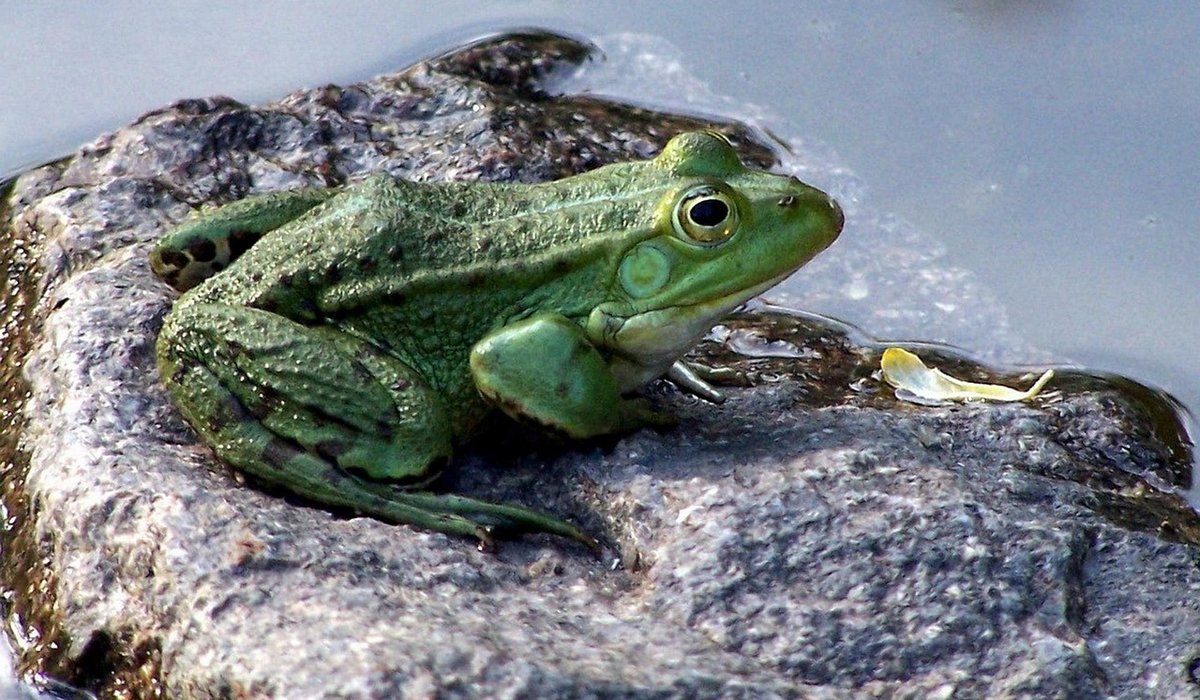
Dwarf and pygmy lilies solve the problem. They flower freely, often from June into September, and their leaves rarely exceed 10–15cm. As a bonus, the floating canopy shades the water, which curbs blanketweed and gives frogs, newts and small fish somewhere to shelter.
Choosing the Right Dwarf Variety
Look at two figures on the label: the expected spread and the planting depth. For a small pond, choose something that spreads no more than 45–60cm and sits in 15–30cm of water. Reliable choices include Nymphaea 'Pygmaea Helvola', a tiny yellow-flowered lily that will grow in as little as 15cm of water; Nymphaea 'Pygmaea Alba' for pure white; and Nymphaea tetragona, a compact white species that copes well in half barrels. For a little more colour, 'Aurora' opens pale yellow and matures to orange-red, while 'Perry's Baby Red' and 'Laydekeri Lilacea' stay small with generous blooms.
Avoid the classics of large lakes — 'James Brydon', 'Gladstoniana' and 'Attraction' — unless your pond is four metres wide or more. They are beautiful, but wrong here.
Planting in Wide Baskets
Wide, shallow baskets are better than deep ones. A lily's roots run sideways, not downwards, and a broad basket gives the rhizome room to grow while keeping the whole thing easy to lift out for dividing.
- Use a basket at least 25–30cm across, lined with hessian if the mesh is coarse.
- Fill with purpose-made aquatic compost or a heavy loam. Ordinary multipurpose compost is too light, floats, and clouds the water.
- Trim any damaged roots, then set the rhizome so the growing tip sits just above the compost surface. Never bury the crown.
- Firm gently and top off with 1–2cm of washed gravel to stop the compost escaping and fish rooting about.
- Soak the basket in a bucket of pond water before lowering it in, so it doesn't send a cloud of silt through the pond.
Set the basket on bricks or an upturned pot to control depth. With dwarf lilies, aim for the crown 15–25cm below the surface. Early in the season, keep plants shallower; as leaves expand, lower them gradually. Late spring to early summer is the ideal planting window, once the water has warmed.
Sun, Shelter and Depth
Water lilies are sun worshippers. Give them at least six hours of direct light a day, and ideally the middle of the day rather than a slant of early morning sun. A pond in dappled shade will produce leaves but few flowers.
Position also matters for the wildlife. Keep the basket away from the pump intake and from spots where falling leaves will blanket the surface. If you keep fish, bear in mind that they will nibble young shoots and disturb fresh compost, so a gravel topping and a little patience in the first few weeks is worthwhile. Do not site a small pond directly beneath a deciduous tree: the leaf fall in autumn is more than any dwarf lily can cope with.
Feeding Sparingly
Here is where restraint pays. A water lily in fresh aquatic compost needs no feeding at all in its first year. From the second season, push one or two slow-release aquatic fertiliser tablets into the compost in late spring, and perhaps a second dose in midsummer if growth looks tired. That is plenty.
Overfeeding is the commonest cause of lush green leaves and stubbornly few flowers. Excess nutrients also leak into the water and trigger algal blooms that turn a clear pond soupy. Pale, small leaves and shy flowering are the signals that a top-up is due — not a calendar date.
Keeping Plants Tidy and Dividing
Through summer, snip off faded flowers and any yellowing leaves at the base so they don't sink and rot. In autumn, let the foliage die back naturally, then cut it away before it drops. In winter, ensure the crown sits well below any ice; if your pond is shallow enough to freeze solid, lift the basket into a bucket of water in a cool shed or greenhouse.
Divide dwarf lilies every two to three years in early spring, just as new growth begins. Lift the basket, tease or cut the rhizome into sections with at least one growing eye each, and repot into fresh compost. Discard the woody centre. You will be rewarded with stronger growth and better flowers — and spare plants to swap with a neighbour or start a second barrel. Leave a patch of open water and a gently sloping edge, and the frogs, newts and damselflies will do the rest.

Joeby Ragpa
This template is so awesome. I didn’t expect so many features inside. E-commerce pages are very useful, you can launch your online store in few seconds. I will rate 5 stars.
ReplyAlexander Samokhin
This template is so awesome. I didn’t expect so many features inside. E-commerce pages are very useful, you can launch your online store in few seconds. I will rate 5 stars.
ReplyChris Root
This template is so awesome. I didn’t expect so many features inside. E-commerce pages are very useful, you can launch your online store in few seconds. I will rate 5 stars.
Reply